
There’s a certain comfort in reaching for a cast iron skillet: the familiar weight in your hands, the smooth, dark surface shaped by years of meals and memories. Cast iron cookware isn’t just another kitchen tool. It’s a quiet companion that grows better with time, passed down from one generation to the next.
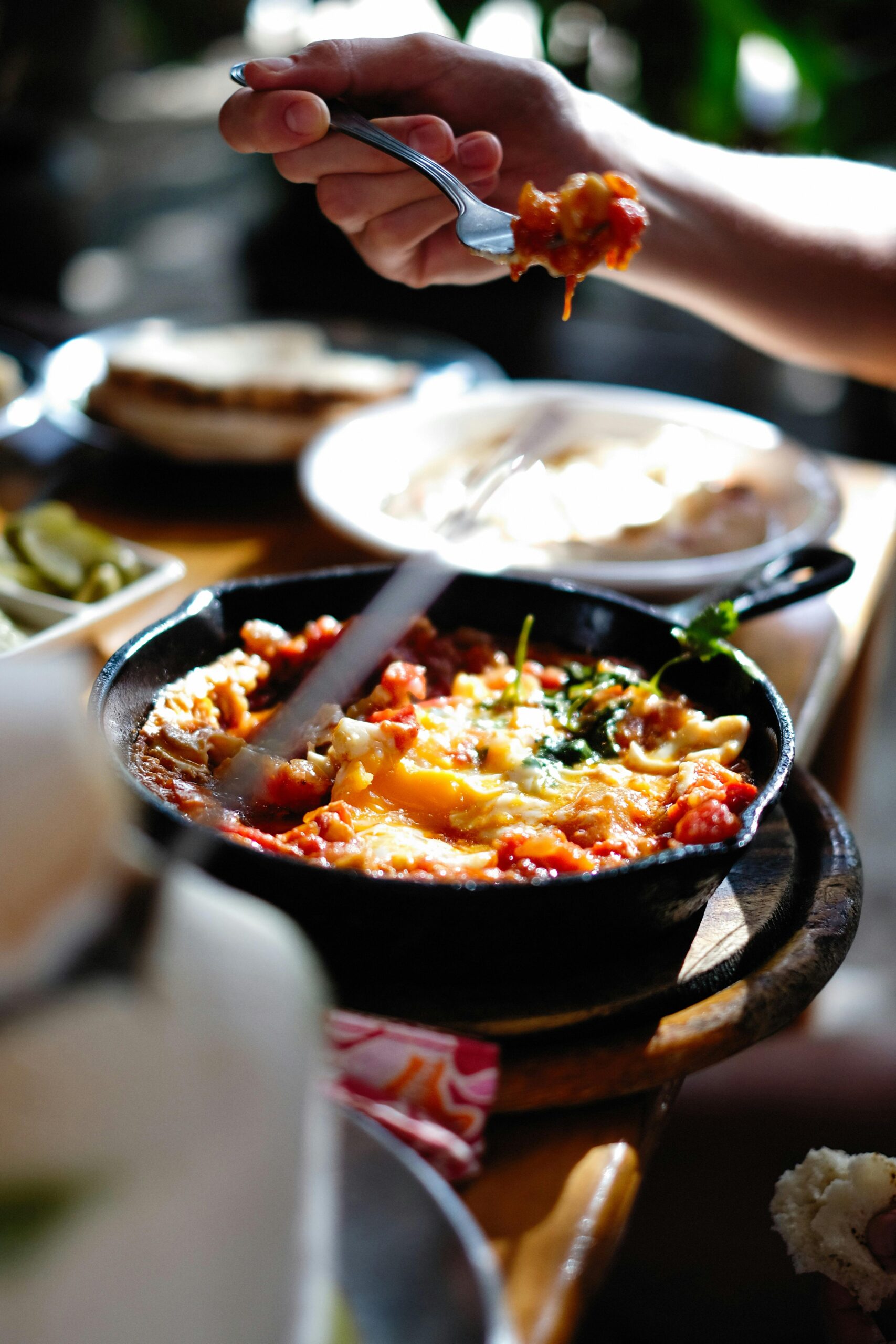
In a world filled with disposable pans and fast cooking, cast iron invites us to slow down, cook with care, and return to the heart of the home.
My sourdough was flat and business was slow
When I first started homesteading, my sourdough was dense and flat, my garden struggled, and it seemed like I was scrambling to get people to notice my business, let alone, buy my products. And for a time, I burnt out.
After years of trial and error, analyzing hundreds of businesses from other sectors, and just pure grit...
I created a free Zero to Homestead Skool Community: a place where homesteaders of all levels share wins, troubleshoot challenges, and get guidance from experienced peers. By joining, you’ll access step-by-step guides to build traditional skills (sourdough, fresh milled flour, traditional foods, preserving, livestock, gardening, and more) plus full courses, workshops, and homestead business-building resources with a supportive network to help your homestead thrive.
What Is Cast Iron Cookware?
Cast iron cookware is made by pouring molten iron into molds, creating durable pans that hold heat exceptionally well. Once seasoned, cast iron forms a naturally non-stick surface without synthetic coatings or chemicals.
From skillets and Dutch ovens to griddles and bread pans, cast iron has earned its place in traditional kitchens for centuries.
Why Cast Iron Has Stood the Test of Time
Long before modern cookware, cast iron was the workhorse of the hearth. Families relied on it for everything from stews and roasts to cornbread and sourdough loaves.
Cast iron remains beloved today because it is:
- Incredibly durable
- Naturally non-toxic
- Versatile for stovetop, oven, and open-fire cooking
- Affordable and long-lasting
A single pan can serve a household for a lifetime and beyond.
Health Benefits of Cooking with Cast Iron
Naturally Non-Toxic Cooking
Unlike nonstick pans with synthetic coatings, cast iron is free from PFAS, PTFE, and other chemical finishes when properly seasoned.
Adds Trace Iron to Food
Cooking in cast iron can increase the iron content of food, especially acidic dishes like tomato sauces: a gentle boost for those who need it.
Supports Traditional Foodways
Cast iron aligns beautifully with ancestral diets, slow cooking, and from-scratch meals rooted in nourishment.
How to Season Cast Iron Cookware
Seasoning is what gives cast iron its smooth surface and rust-resistant finish. In many cases, you may have to season the pan multiple times before you get a perfect non-stick surface.
Simple Seasoning Method
- Wash the pan with warm water and dry thoroughly.
- Rub a thin layer of fat (tallow, lard, or avocado oil) over the entire surface.
- Bake upside down at 450°F for 1 hour.
- Let cool completely.
With use, the seasoning deepens: each meal adding another layer of protection and character.
How to Clean and Care for Cast Iron
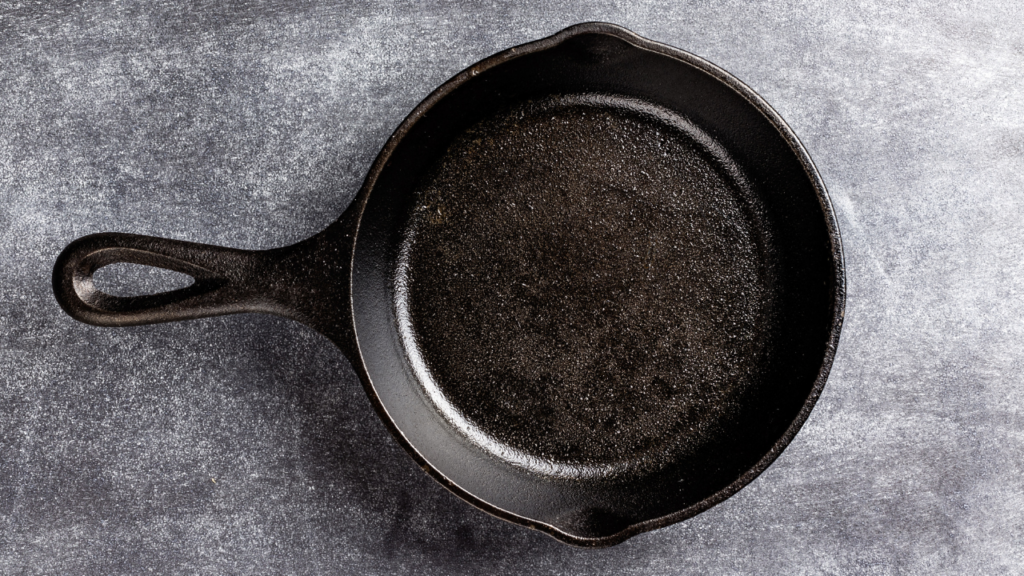
Caring for cast iron doesn’t have to be intimidating. For simple care: wipe crumbs out of pan and use course sea salt for scrubbing pans.
- Clean with warm water and a stiff brush
- Avoid soaking for long periods
- Dry completely and lightly oil after washing
- Avoid dishwashers and harsh soaps
With proper care, cast iron only improves with age.
Best Uses for Cast Iron Cookware
Cast iron is one of the most versatile tools in the kitchen. When you go to cook anything in cast iron, preheating and using enough oil is a must. Let it get nice and hot; the food should sizzle when it touches the pan. Avoid turning food frequently, let food get thoroughly cooked through before mixing or turning it.
- Searing meats
- Frying eggs and vegetables
- Baking sourdough bread
- Cooking stews and soups
- Roasting vegetables
- Making cornbread and pancakes
It moves seamlessly from stovetop to oven to table.
Note: Avoid using plastic utensils with cast iron (they will melt) and rotate pans: for example, use one pan for savory foods and another for sweets or baked goods. Traditional cast iron absorbs the flavor of the food cooked in it.

Cast Iron and Slow Living
Cast iron teaches patience. It takes time to heat, time to season, and time to master but the reward is reliability.
In a slow, intentional kitchen, cast iron becomes part of the rhythm of home life. Meals aren’t rushed. Food is tended. The process matters as much as the result.
Choosing the Right Cast Iron Cookware
When selecting cast iron, look for:
- Heavy, well-balanced construction
- Smooth or well-seasoned surfaces
- Lighter weight
- Trusted brands or well-loved vintage pieces
If you see a number on the pan, that could indicate the size of the pan. Cast iron has its own sizing system which you can check out here.
Both new and vintage cast iron can be excellent additions to your kitchen.
Final Thoughts
Cast iron cookware isn’t flashy. It doesn’t promise instant results. Instead, it offers something far more meaningful: durability, simplicity, and a connection to generations past.
In a kitchen rooted in tradition, cast iron isn’t just cookware. It’s part of the story.
Comments
No Comments