

This post contains affiliate links. This means I earn a small commission at no cost to you. You can view my affiliate disclosure here.
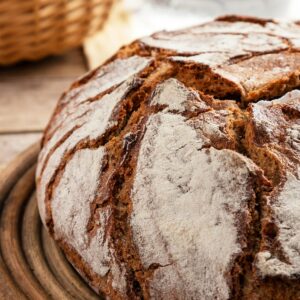
When ancient einkorn berries are freshly milled and joined with a lively sourdough starter, a loaf of fresh milled sourdough einkorn bread begins its slow, beautiful transformation. Fresh milled sourdough einkorn bread, a step up from my sourdough einkorn bread and einkorn cinnamon raisin bread, brings together the oldest cultivated wheat and the timeless art of natural fermentation, creating a loaf that is deeply nourishing, gently flavored, and rich with rustic character.

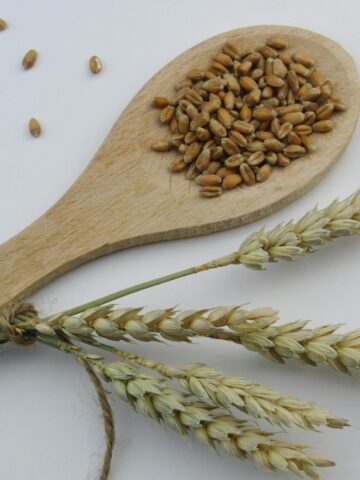
Einkorn has been grown for thousands of years, long before modern hybrid wheat. When it is freshly milled and slowly fermented, its soft, honey-like notes and tender crumb shine through in a way that store-bought flour simply cannot replicate. This is bread as it once was: simple, wholesome, and made with patient hands.
My sourdough was flat and business was slow

When I first started homesteading, my sourdough was dense and flat, my garden struggled, and it seemed like I was scrambling to get people to notice my business, let alone, buy my products. And for a time, I burnt out.
After years of trial and error, analyzing hundreds of businesses from other sectors, and just pure grit...
I created a free Zero to Homestead Skool Community: a place where homesteaders of all levels share wins, troubleshoot challenges, and get guidance from experienced peers. By joining, you’ll access step-by-step guides to build traditional skills (sourdough, fresh milled flour, traditional foods, preserving, livestock, gardening, and more) plus full courses, workshops, and homestead business-building resources with a supportive network to help your homestead thrive.
Fresh milling preserves the bran, germ, and natural oils of the grain, while sourdough fermentation makes the bread easier to digest and more flavorful.
Why Bake with Fresh Milled Einkorn?
Benefits of fresh milled sourdough einkorn bread include:
- Naturally lower gluten and easier digestion
- Higher mineral and antioxidant content
- Rich, nutty, slightly sweet flavor
- Improved texture from long fermentation
- A true traditional bread experience
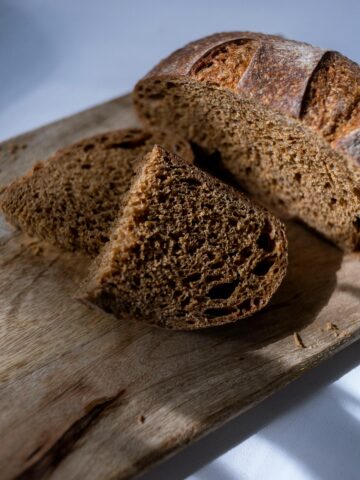
Einkorn’s delicate gluten structure creates a softer dough, so this loaf is wonderfully tender with a slightly tighter crumb: perfect for slicing, toasting, and savoring with butter and honey.
Fresh Milled Sourdough Einkorn Bread Recipe
Ingredients
- 3 ½ cups fresh milled einkorn flour
- 1 cup active sourdough starter (100% hydration)
- ¾–1 cup warm filtered water
- 1 ½ teaspoons sea salt
- 1 tablespoon honey or maple syrup (optional, for softness)

Instructions
- Mix the Dough
In a large bowl, combine sourdough starter, water, and honey. Stir in fresh milled einkorn flour and salt until a soft, slightly sticky dough forms. - Rest and Hydrate
Cover and let rest for 30 minutes to allow the einkorn flour to fully absorb the liquid. - Gentle Stretch and Folds
Perform 3–4 gentle stretch-and-folds over the next 2 hours, every 30 minutes. Einkorn dough is delicate, so handle it softly. - Bulk Fermentation
Cover and allow to ferment at room temperature for 6–10 hours, until slightly risen and puffy. - Shape the Loaf
Gently shape into a round or oval loaf. Place into a floured banneton or towel-lined bowl. - Final Proof
Proof for 1–2 hours at room temperature or overnight in the refrigerator for deeper flavor. - Bake
Preheat oven with Dutch oven to 450°F (230°C). Score the loaf, place into the hot Dutch oven, cover, and bake 25 minutes. Uncover and bake an additional 15–20 minutes until golden and hollow-sounding. - Cool Completely
Allow the bread to cool for at least 1 hour before slicing to set the crumb.
Tips for Working with Einkorn Sourdough
- Einkorn absorbs less water than modern wheat; start with less liquid and adjust slowly.
- Avoid aggressive kneading; gentle folding protects its fragile gluten.
- Long, cool fermentation enhances both flavor and digestibility.
Fresh Milled Sourdough Einkorn Bread FAQ
What is einkorn wheat?
Einkorn is one of the oldest cultivated wheat varieties, known for its simple gluten structure, rich nutrients, and naturally sweet, nutty flavor.
Is einkorn easier to digest than modern wheat?
Many people find einkorn easier to digest because of its lower gluten content and simpler protein structure, especially when it is fermented with sourdough.
Can I use fresh milled einkorn flour in place of regular flour?
Yes, but einkorn absorbs less water and has weaker gluten, so doughs will be softer and need gentler handling than those made with modern wheat.
Do I need to adjust hydration for einkorn sourdough?
Usually, yes. Start with less water than you would for standard wheat and add only as needed to achieve a soft, slightly tacky dough.
Why is my einkorn sourdough dense?
Einkorn naturally produces a tighter crumb. Overproofing, too much water, or aggressive handling can also weaken its delicate gluten.
Can I knead einkorn dough like regular bread dough?
It’s best to avoid heavy kneading. Gentle stretch-and-folds help develop structure without breaking down the fragile gluten.
How long should einkorn sourdough ferment?
Bulk fermentation typically takes 6–10 hours at room temperature, with an optional overnight cold proof for deeper flavor.
Can I bake einkorn sourdough in a loaf pan instead of a Dutch oven?
Yes. Shape the dough and place it in a greased loaf pan, then bake at 400°F until golden and the internal temperature reaches about 200°F.
How should I store fresh milled einkorn bread?
Store at room temperature in a bread bag or wrapped in a cloth for up to 3 days, or freeze sliced for longer storage.
Is fresh milled einkorn good for sourdough beginners?
It can be, but it requires a gentler touch. Many beginners enjoy learning with einkorn because it teaches careful fermentation and handling.

A Loaf Rooted in Ancient Fields
Baking fresh milled sourdough einkorn bread is more than making a loaf; it is stepping into a tradition that stretches back through centuries of hearth and hand. The gentle tang of sourdough, the golden warmth of einkorn, and the aroma of freshly baked bread filling the kitchen all come together in a way that feels grounding and deeply comforting.
This is the kind of bread meant to be sliced thick, spread with butter, and enjoyed slowly one rustic, nourishing bite at a time.
If you make this recipe, be sure to leave me a star rating and a comment below. Share what you made and tag me on Instagram@keepingitholistic! For more simple sourdough recipes & guidance, small-space gardening tips, and cozy, slow living inspiration, subscribe to my newsletter and follow me on YouTube and Instagram!
📖 Recipe
Fresh Milled Sourdough Einkorn Bread
Equipment
- 1 Large bowl
- 1 banneton basket or bowl lined with towel
Ingredients
- 3 ½ cups fresh milled einkorn flour
- 1 cup active sourdough starter 100% hydration
- ¾-1 cup warm filtered water
- 1 ½ teaspoons sea salt
- 1 tablespoon honey or maple syrup optional
Instructions
Mix Dough:
- In a large bowl, combine sourdough starter, water, and honey. Stir in einkorn flour and salt until a soft, slightly sticky dough forms.
Autolyse:
- Cover and let rest for 30 minutes to hydrate the flour.
Stretch & Fold:
- Perform gentle stretch-and-folds every 30 minutes for 2 hours (3–4 sets total).
Bulk Ferment:
- Cover and ferment at room temperature for 6–10 hours, until slightly risen and airy.
Shape:
- Gently shape into a round or oval loaf. Place seam-side up in a floured banneton or towel-lined bowl.
Final Proof:
- Proof at room temperature for 1–2 hours, or refrigerate overnight for deeper flavor.
Bake:
- Preheat Dutch oven to 450°F (230°C). Score dough, place into hot Dutch oven, cover, and bake 25 minutes. Uncover and bake another 15–20 minutes until golden and internal temperature reaches 200–205°F.
Cool:
- Cool on a wire rack for at least 1 hour before slicing.

Comments
No Comments